Valley of the Gods
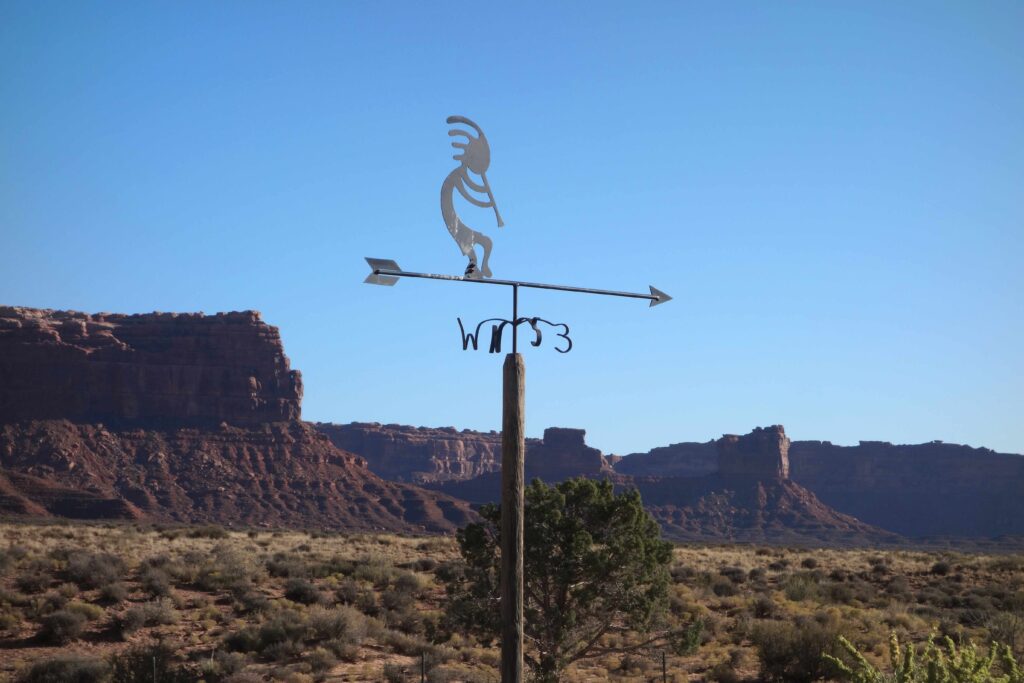
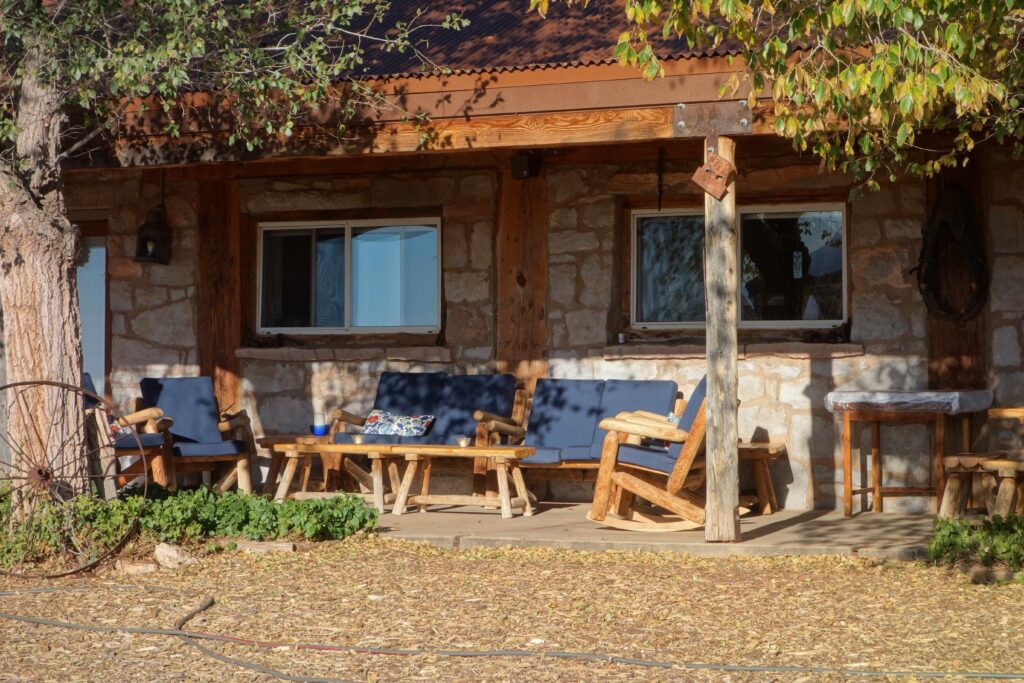
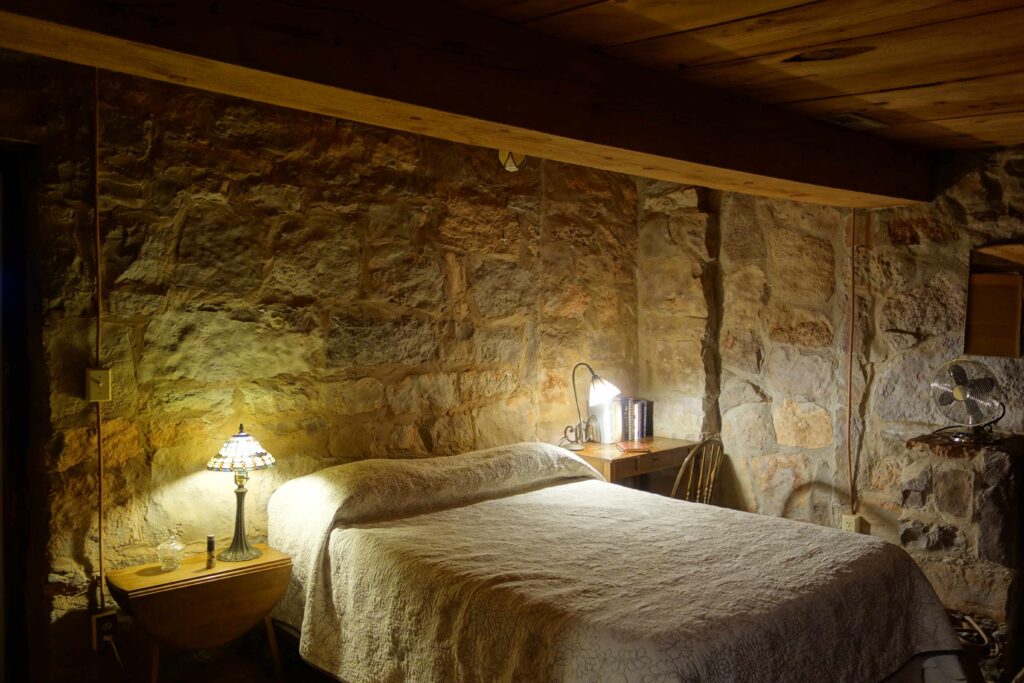
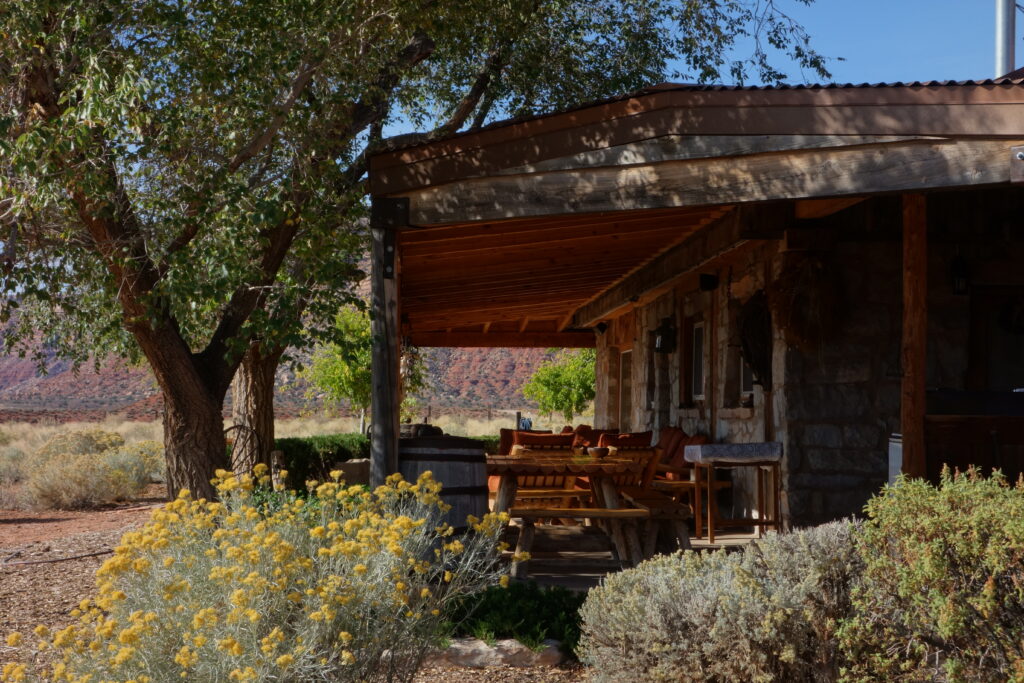
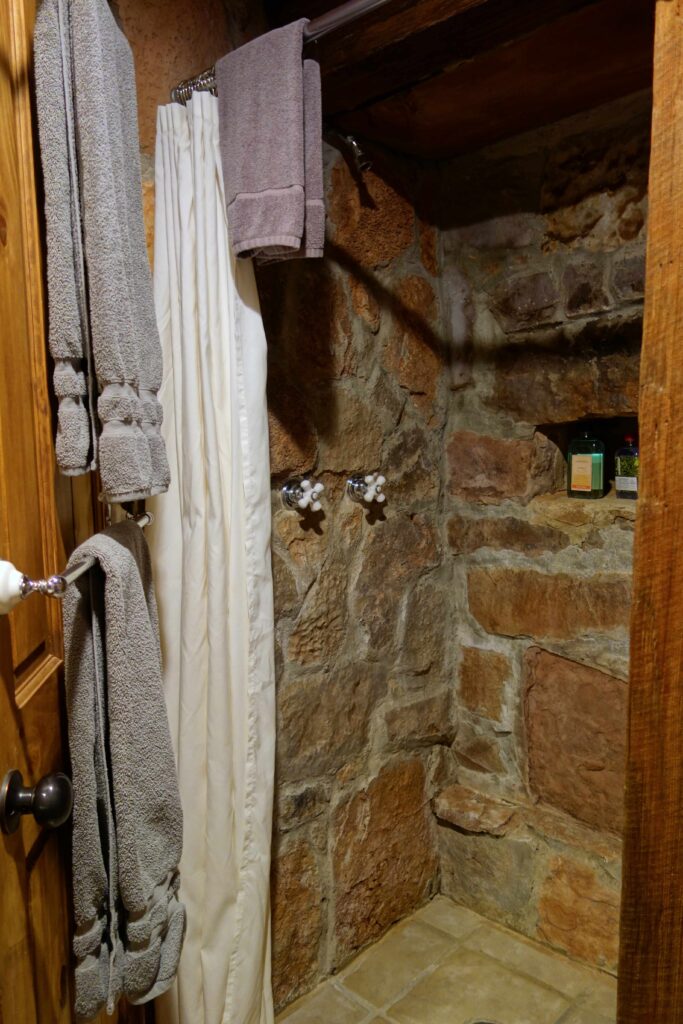
In the southeast corner of Utah, near the foot of Cedar Mesa, a few miles north of the San Juan River, sits an unprepossessing building of stone and timber. You might think it a temple or a monastery, for this is the Valley of the Gods.
The structure is, in fact, an inn.
Behind the inn, Cedar Mesa rises fifteen hundred feet above the Valley.
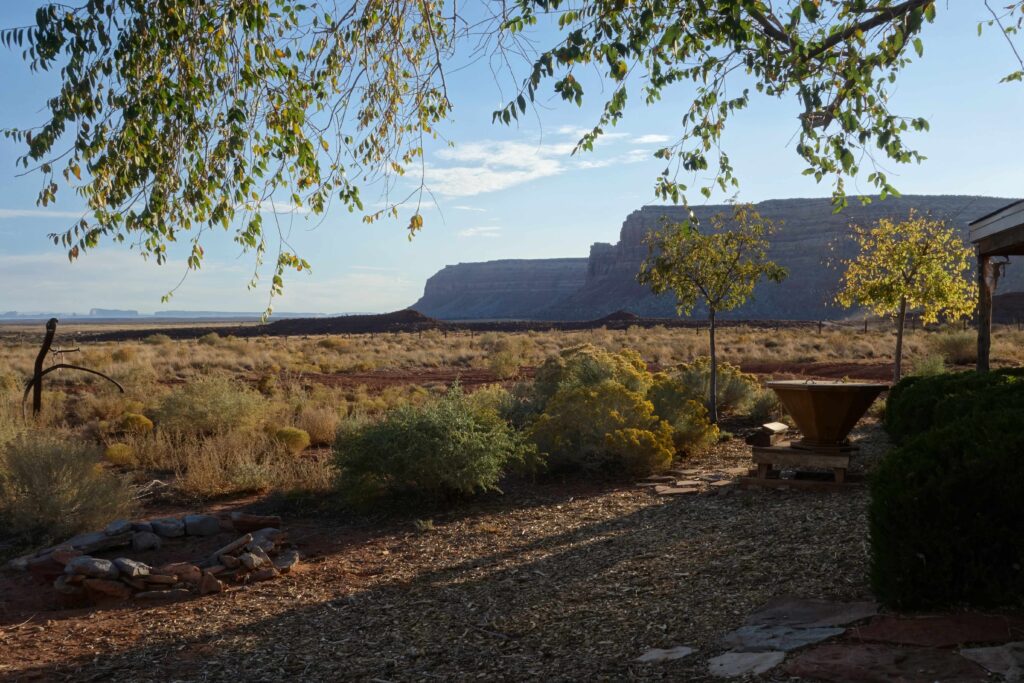
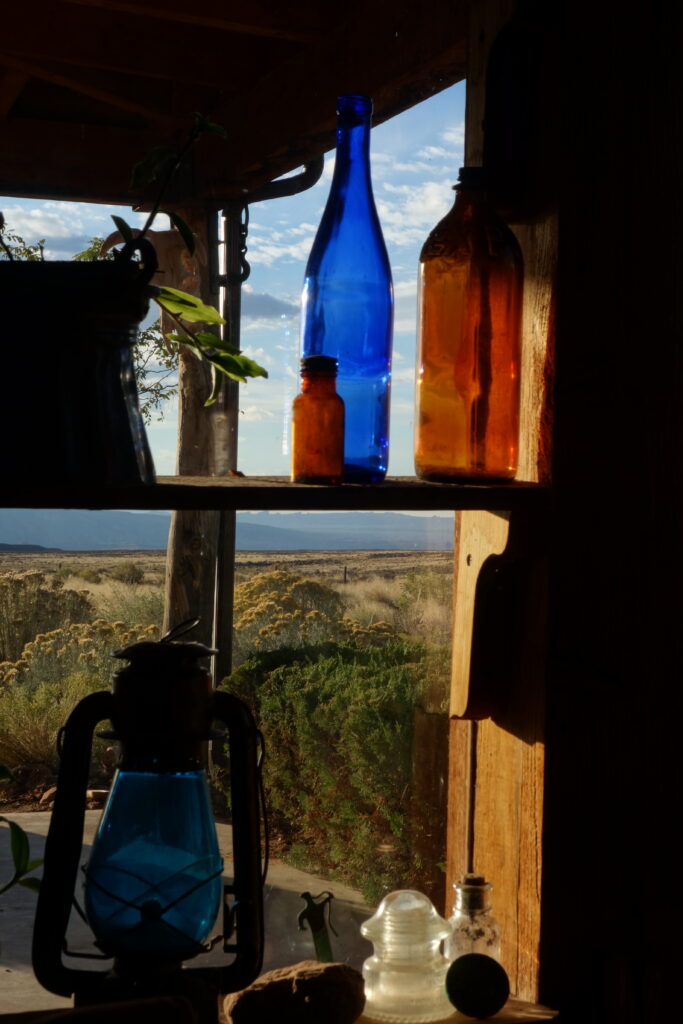
There is no electric utility here. No water service. One landline. You can make an old-fashioned call on your cell phone, but forget about data.
It’s a secluded place.
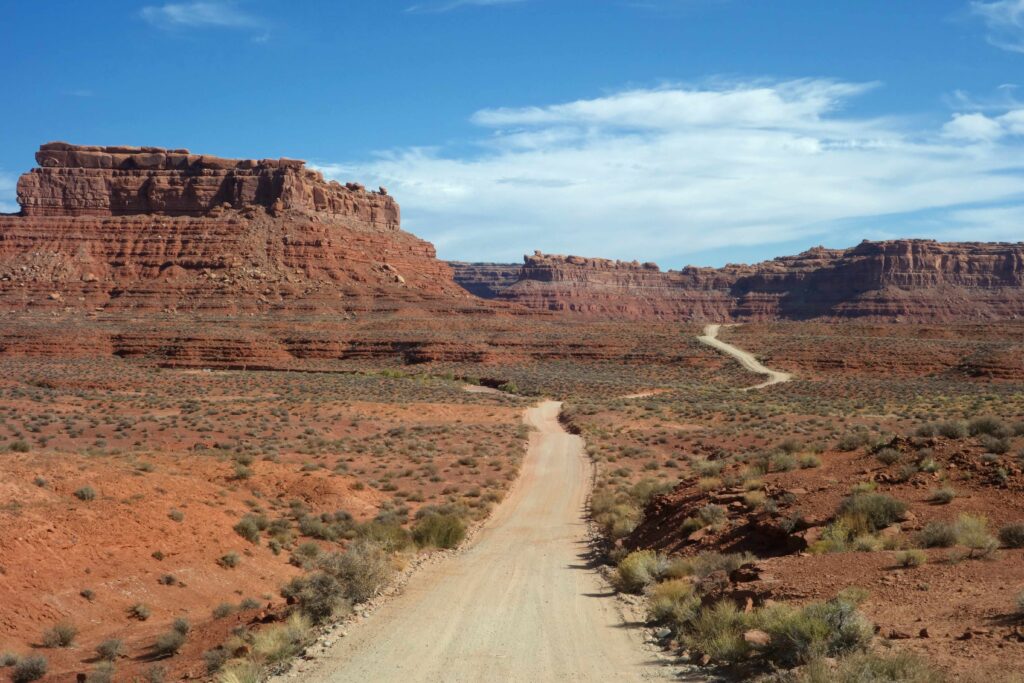
There is a seventeen-mile unpaved road through the Valley. You may have it entirely to yourself, or you might possibly come across another human being. It won’t matter. It won’t change the solitude.
This is the reason I come here.
There are many spectacular places on earth, but very few that you own they way it owns you. I don’t know how else to describe it. You have nothing to prove here. There will be nothing to brag about later.
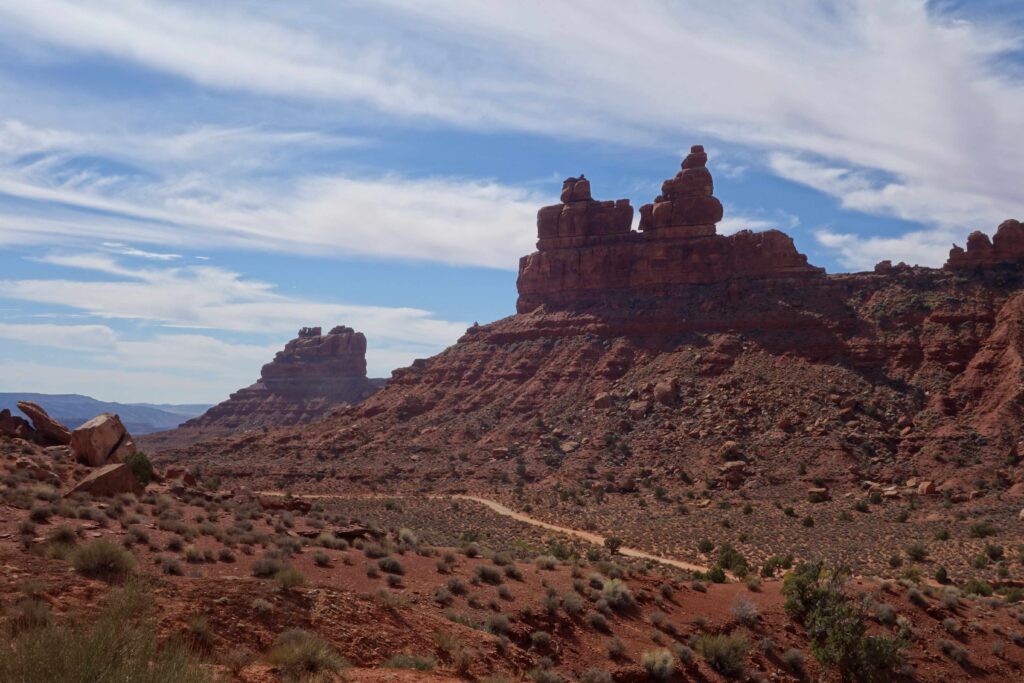
It fact, it’s even hard to talk about afterward, because you can only talk about what you saw. You don’t know how to talk about what it did to you.
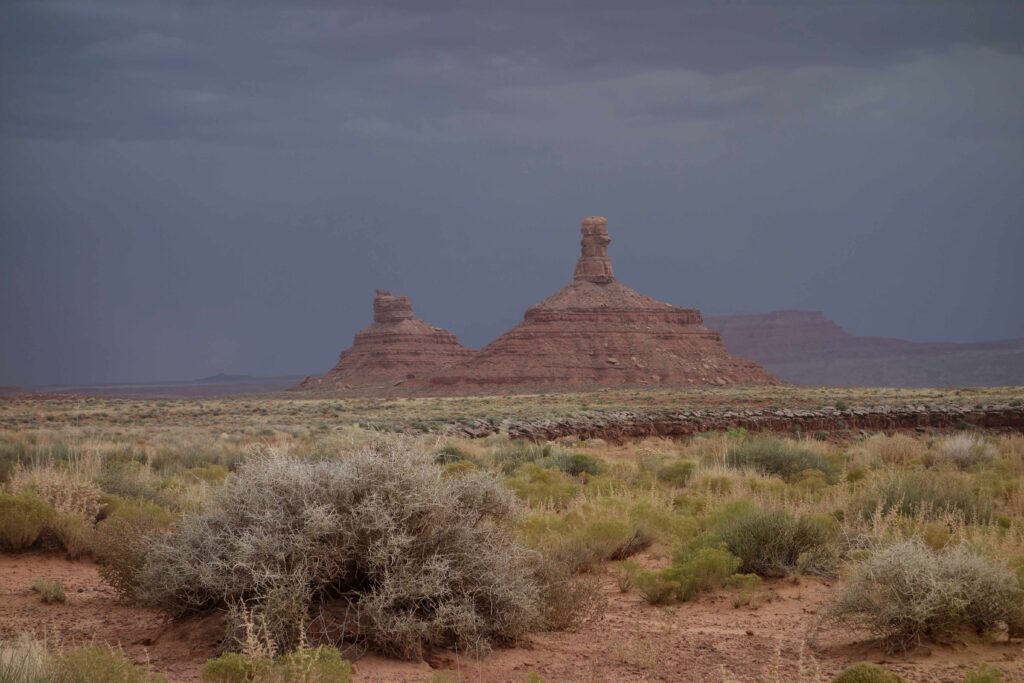
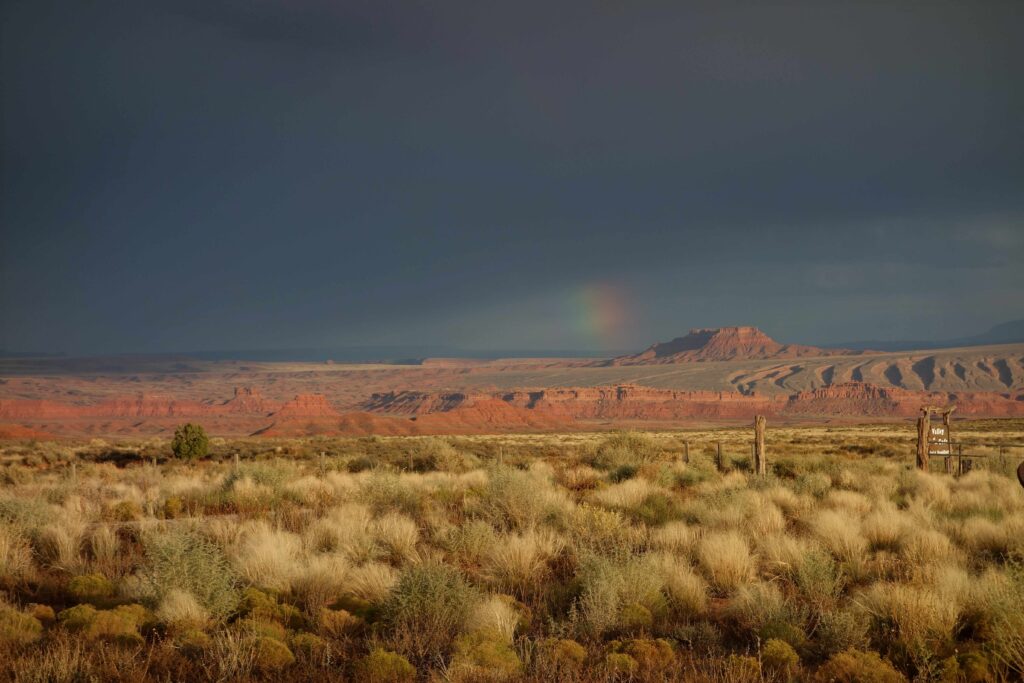
Sometimes, the weather does what it does.
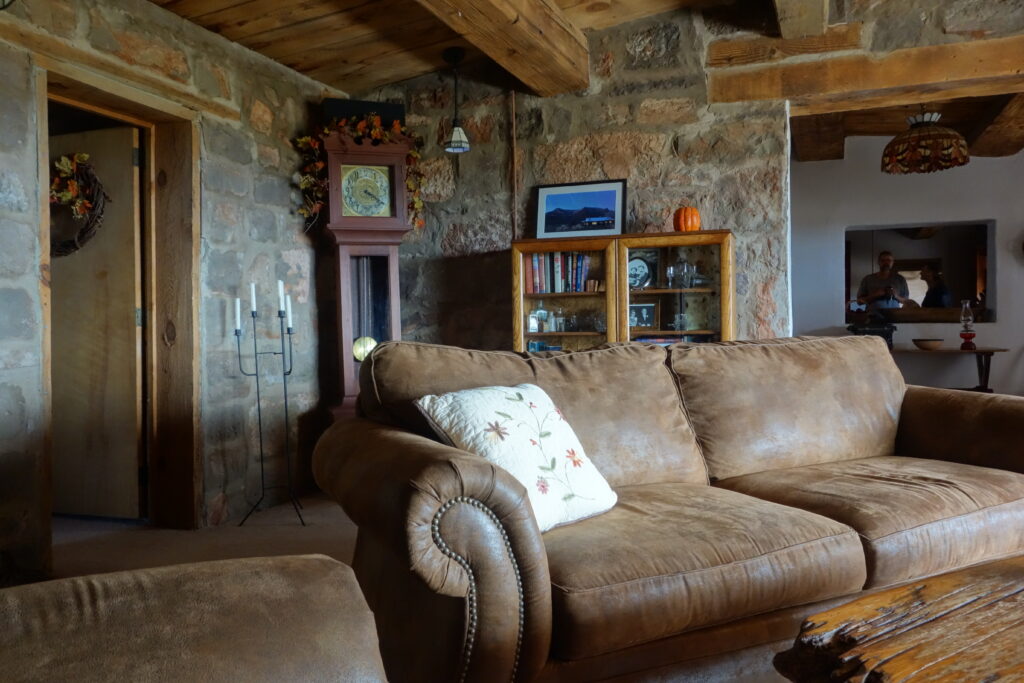
The inn feels like home, or maybe what home should feel like. No distractions. Not a good place if you don’t like your own company.
I wished to live deliberately, to front only the essential facts of life, and see if I could not learn what it had to teach, and not, when I came to die, discover that I had not lived
– Henry David Thoreau
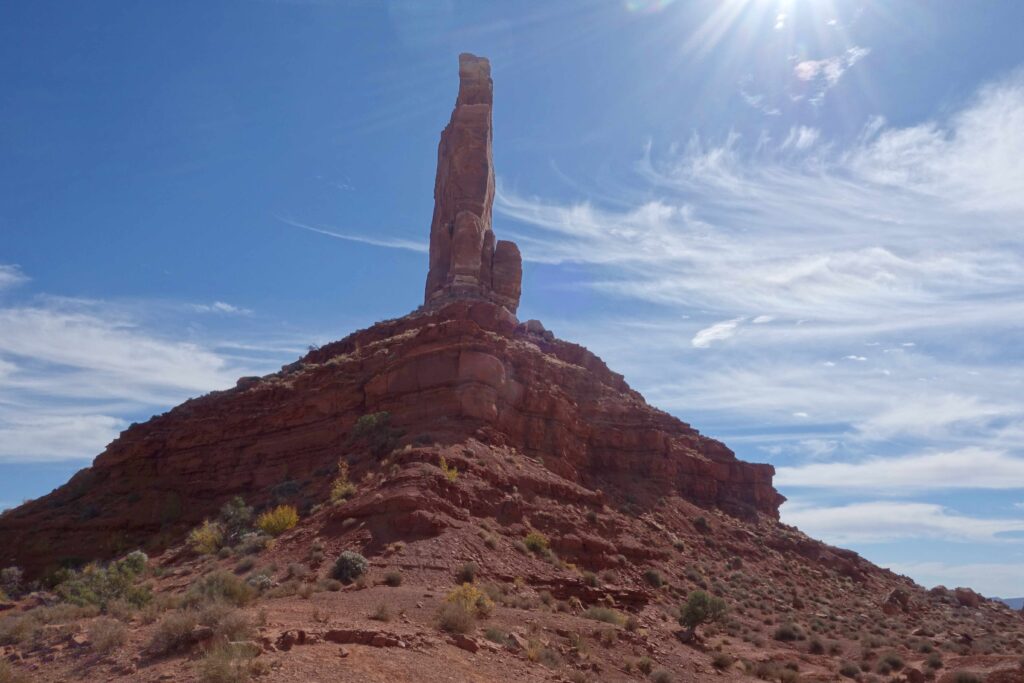
The Valley is a study in time, a revelation that even rock is mortal.
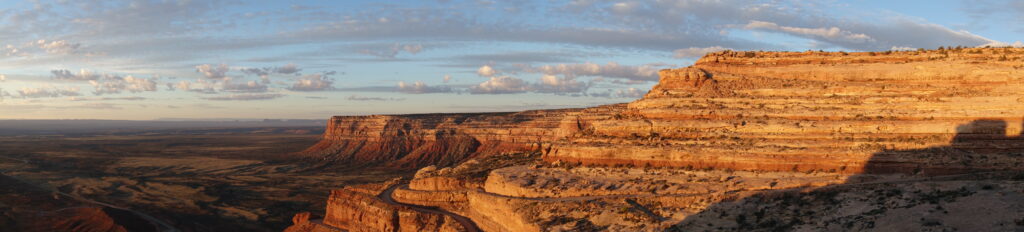
The Mesa, on the other hand, is a study in space.
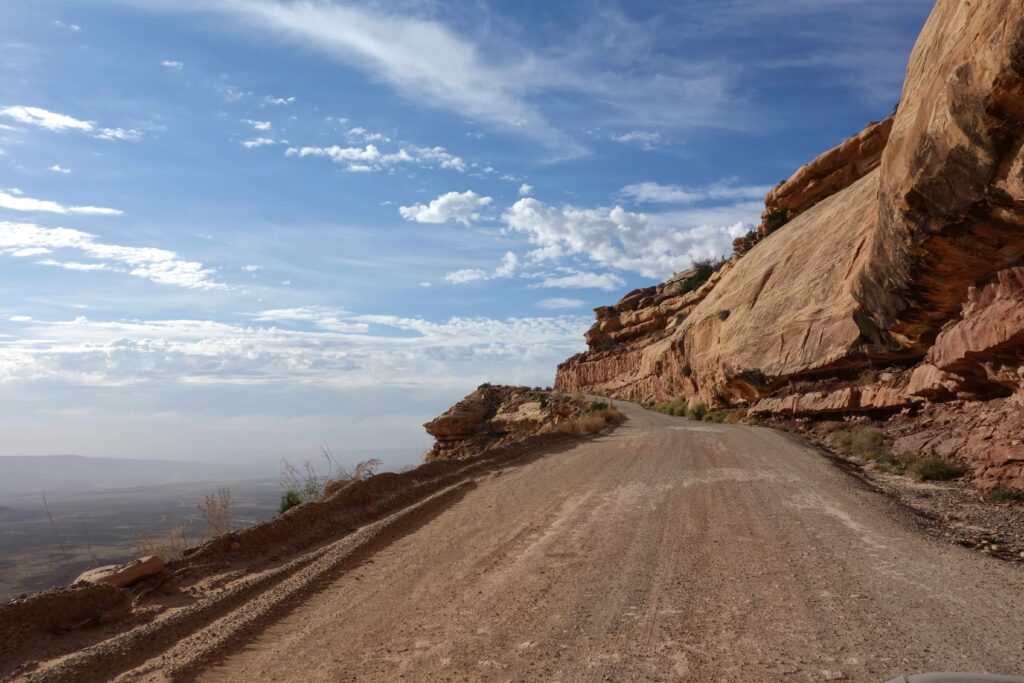
There is a road that climbs to the top. This is called Moki Dugway. It was not made for tourists. It was made for the uranium industry, now a memory. Fortunately, the road remains and is even maintained.
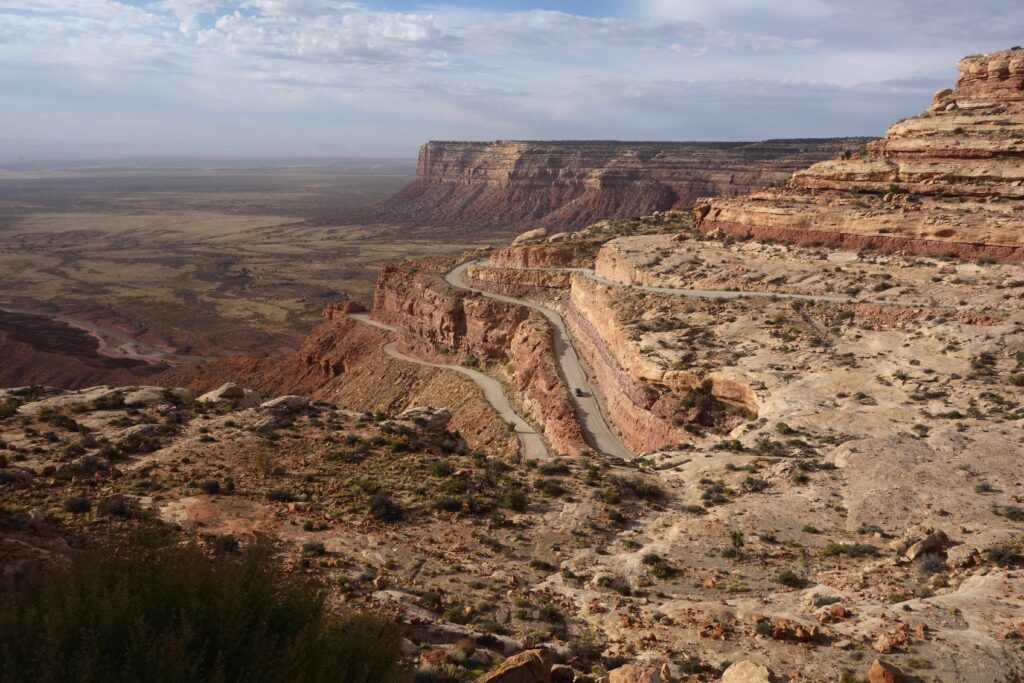
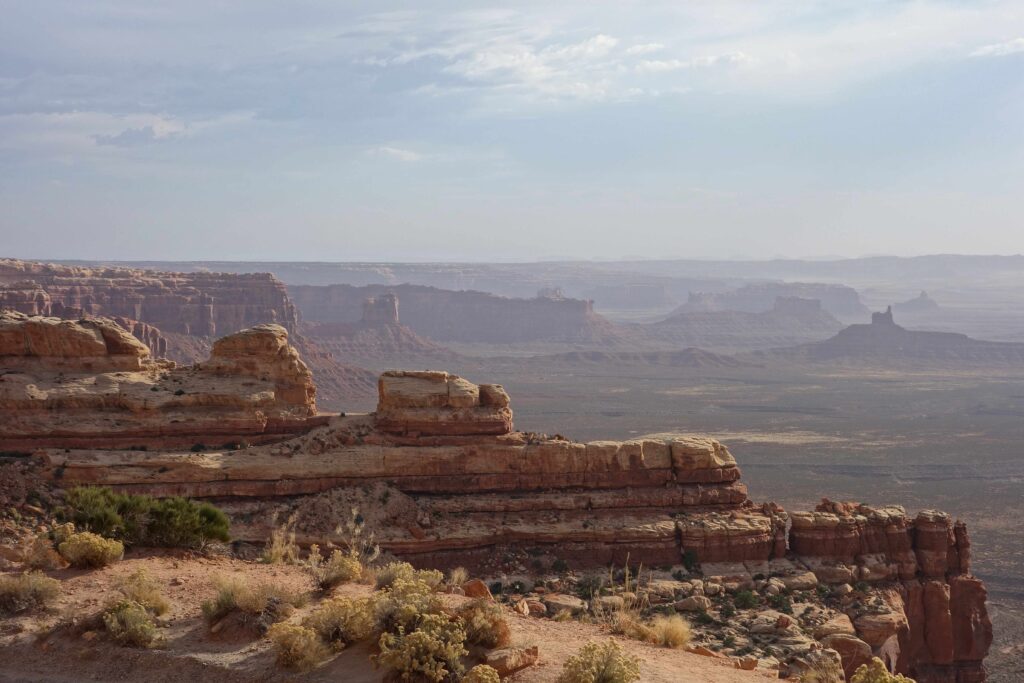
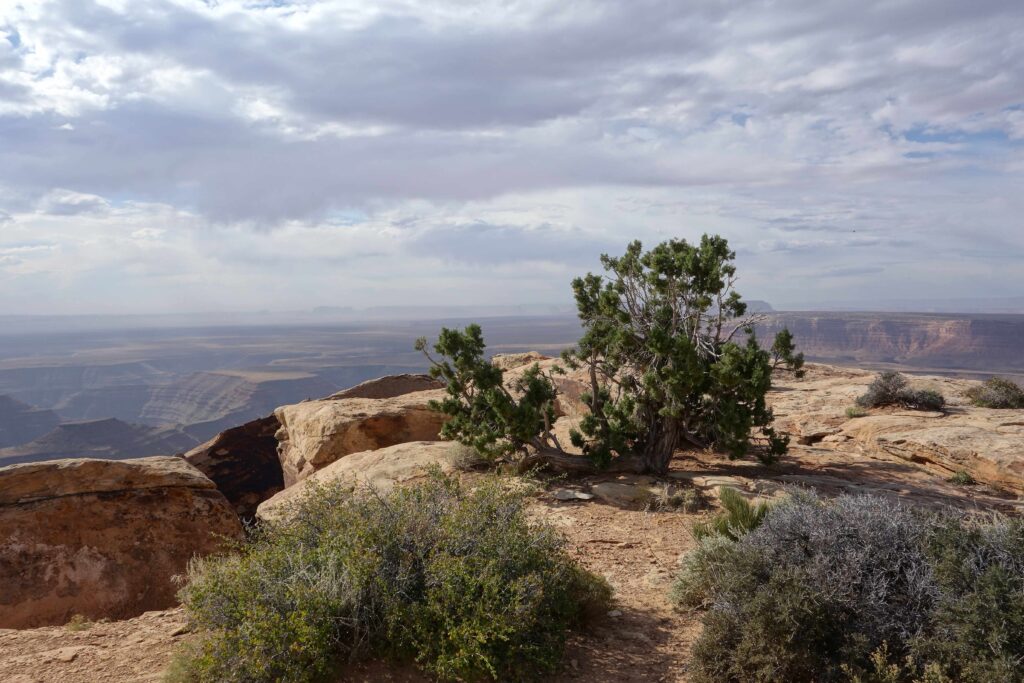
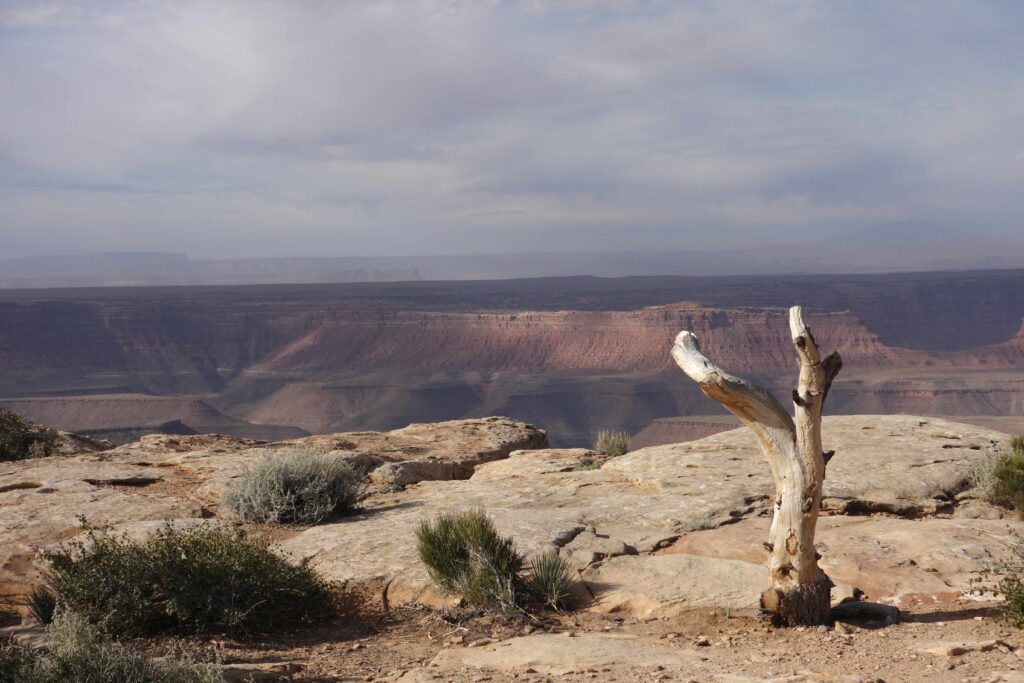
The Mesa meets a new day…
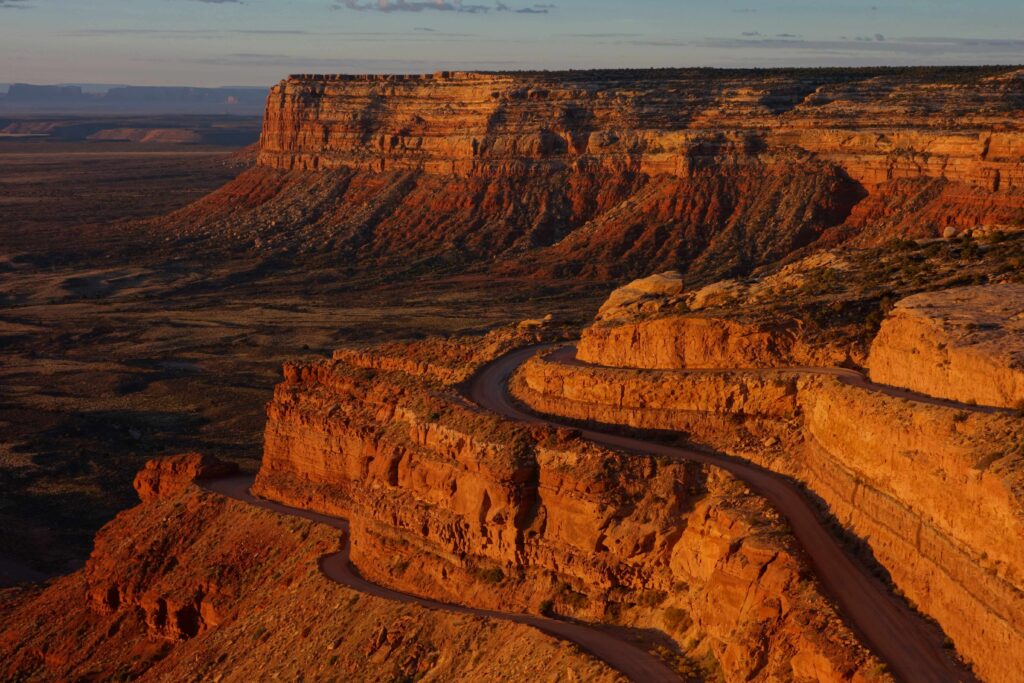
And so do you.




About The Author
